
This post continues our GLP-1 blog series, turning the focus to the important role retailers can play in supporting GLP-1 users on their health journey. By 2030, it’s estimated that 52 million people will be taking GLP-1 medications worldwide. However, despite their growing popularity, up to one-third of users discontinue treatment within the first year, often due to side effects, nutritional challenges or medication costs.
This presents a timely opportunity for the food and retail industry to bridge the gap between user needs and market offerings, helping consumers discover suitable products, better understand their nutritional needs, and build sustainable eating habits. By doing so, retailers can meaningfully support GLP-1 adherence, improve health outcomes, and foster long-term customer loyalty in this rapidly expanding market.
Why Retailers Play a Critical Role
GLP-1 medications significantly reshape food-related behaviours, reducing appetite, changing taste preferences, and reducing portion sizes. These changes can bring challenges for users, including gastrointestinal side effects, dehydration and nutrient deficiencies.
As a result, consumers are seeking products that are:
- Nutrient-rich
- Hydrating
- Portion-controlled
- Helpful for gastrointestinal side effects
Grocery retailers are uniquely positioned to support these evolving behaviours. Through product development, merchandising, and education, they can align their offerings with the latest scientific and consumer insights.
4 Key Strategies for Retailers
Strategy 1: Help consumers easily find products that meet their nutritional needs
Retailers can help consumers feel informed and confident by improving product visibility and navigation through:
- Signposting products based on useful nutrition attributes (e.g. hydrating options, smaller portion sizes)
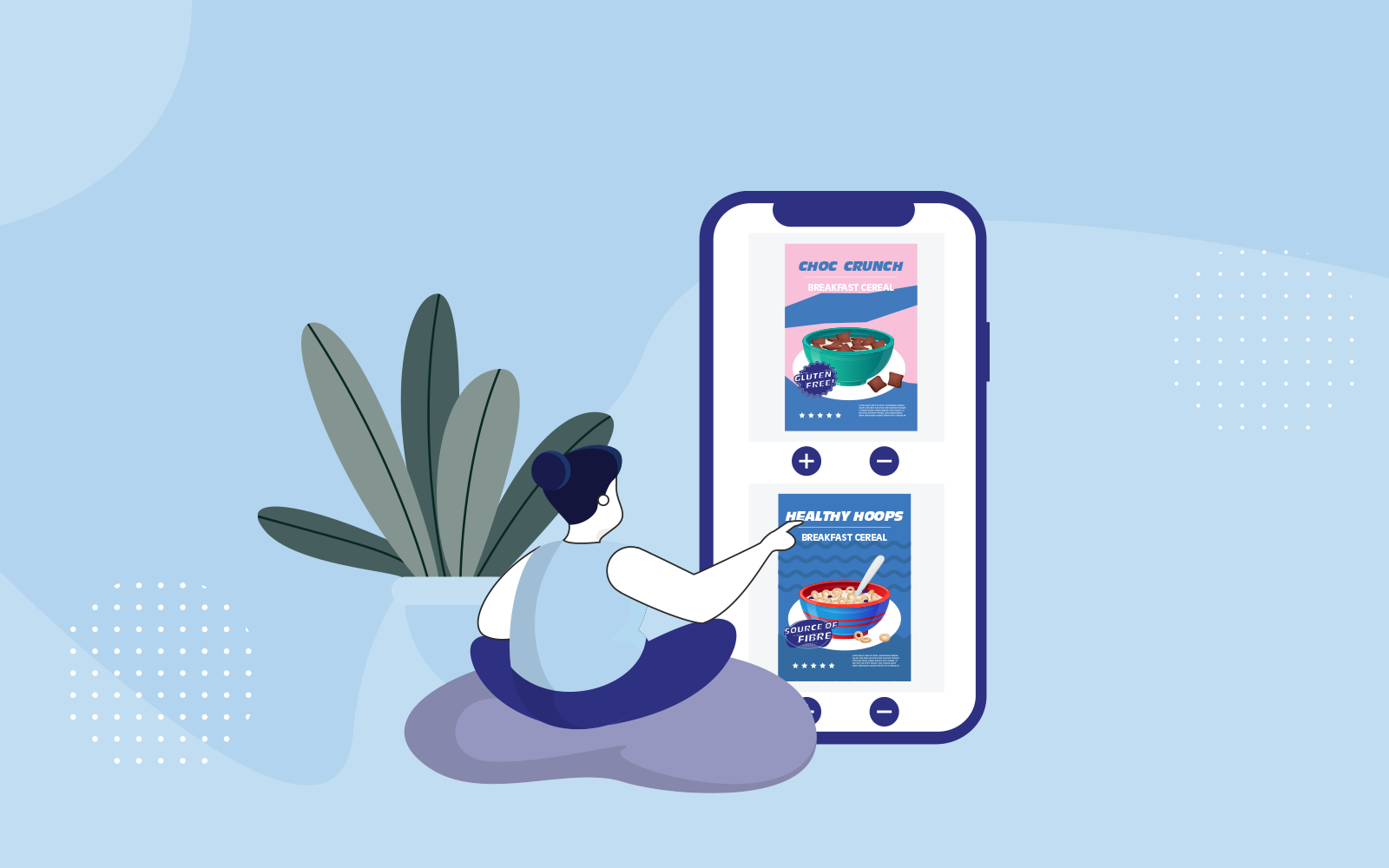
- Enhanced online filtering and specialised dietary zones to support product and recipe discovery
- Clear, consistent labelling and product tags (e.g. high-protein, high-fibre, hydrating)
- Healthy swaps and portion-appropriate alternatives to support customers adapting to changing appetite patterns or seeking more balanced options
- Inspiring prompts to make food more appealing when appetite is low, e.g. highlighting ready-to-eat products or minimal prep recipes with messages like ‘small bites, big nutrition’ or ‘quick protein boosts’
Strategy 2: Support consumers with simple, credible messaging
With so much misinformation circulating, GLP-1 users need quick, digestible guidance. Retailers can support this by offering:
- Short educational messaging or micro-tips (e.g. “Why protein matters on GLP-1s”)
- In-store and online educational content such as videos and infographics
- Collaboration with dietitians and healthcare professionals for evidence-based information
Strategy 3: Innovate and reformulate to meet evolving nutritional needs
As GLP-1 users adapt to the medication, they require products aligned with their appetite and taste changes. Opportunities for retailers and brands include:
- On-the-go, portion-controlled meals and snacks
- High-protein meals, convenient healthy snacks and functional products
- Hydration-focused drinks or electrolyte blends
- Reformulation of existing ranges to improve nutritional density
Strategy 4: AI and digital health tools to personalise the experience
Technology can provide tailored support that aligns with individual preferences, behaviours, and nutritional needs. This can include:
- AI-powered personalised product and recipe recommendations
- “GLP-1-friendly” filters based on nutrients of relevance or tailored digital journeys (through platforms like Spoon Guru)
- Integrations with digital health and telehealth partners, providing access to dietitians and healthcare professionals to support long-term adherence and wellbeing
A Healthier Retail Future
Retailers that adapt to evolving consumer needs and create simple, supportive journeys will be well positioned to shape the future of health-focused retail. By leveraging smart nutrition data, personalised digital experiences, and clear nutrition signposting, retailers can enhance the customer shopping experience and support informed nutritional choices. With Spoon Guru’s AI-powered nutrition intelligence, retailers can deliver these experiences at scale, helping customers, including those on GLP-1 medications, find the right foods and services quickly, confidently, and in a way that supports long-term health.
Contact Spoon Guru today to discover how we can transform your retail experience.