


When it comes to food shopping online, consumers depend on precise product information to make informed choices, especially concerning dietary needs and allergies. However, inaccurate data can lead to mislabeled products and incorrect search results, adversely affecting customer experience and safety.
Article Type
All
Content
All
Author
All
Feature Posts
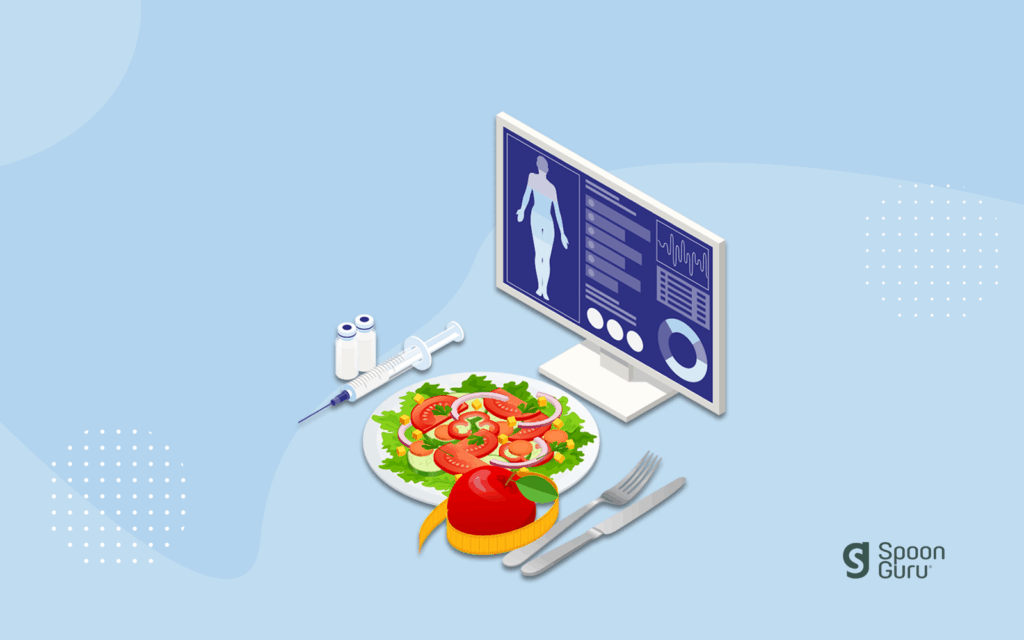
GLP-1 medications have dramatically changed the weight management landscape, and retailers have a unique opportunity to play a key role in supporting those using it.

What does the future of AI assistance in food and nutrition look like? Our CTO explores the potential of Small Language Models (SLMs) to help us navigate dietary choices, combat food waste, and vigilantly monitor our health in this final instalment of our AI series.
What are the practical applications of Small Language Models (SLMs) in the food and nutrition sector? Our CTO explores the transformative potential for Recipe Recommendations, Meal Planning, Dietary Trend Analysis and Customer Interactions in this instalment of our AI series.
In the third instalment of our AI series, our CTO looks at the pros and cons of Small Language Models (SLMs), and the invaluable personalisation opportunities they present for the food and nutrition industries.

In the realm of nutrition, the emergence of AI offers an unparalleled opportunity. This post looks at the difference between Small Language Models (SLM) & Large Language Models (LLM) and the functions, applications and use cases of SLMs for those working in the nutrition and food sectors.

Responsible AI is not merely an agenda but a cardinal mission at the heart of Spoon Guru. This is the first in a series of posts from our CTO exploring the development of Small Language Models (SLMs) and responsible AI applications in food and nutrition.