


Retailers are under constant pressure to diversify and emphasise their product offering through a health lens. However, differentiating “healthier” products is highly complex, requiring data-led nutrition and demanding attention from regulatory framework, nutritional guidelines, and product label knowledge.
Article Type
Blogs
Content
All
Author
All
Feature Posts
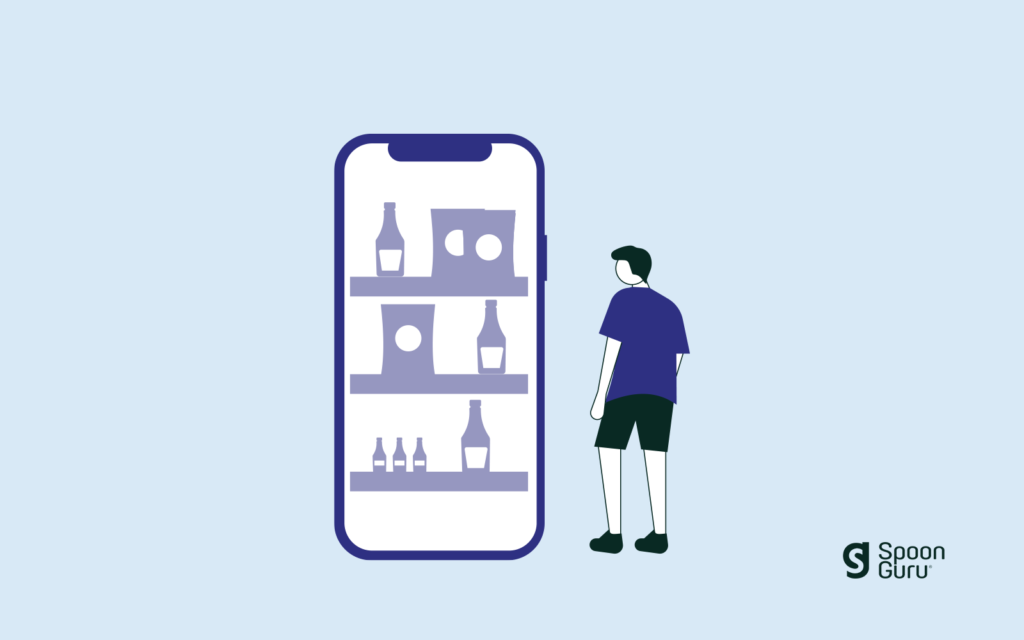
One of the most important aspects of a food retailer’s site is its search functionality. Without a robust system in place, you inhibit your customers’ ability to shop for the products they need. With the correct indexing customers can find what they’re looking for with ease.
This year’s Healthy Eating Week campaign has just recently wrapped up. Here’s why & how retailers can help shoppers make healthier choices.

Announcing the launch of Spoon Guru’s innovative Nutrition Intelligence app for grocery retailers on Google Cloud Marketplace. This will enable us to better deliver unique solutions, at scale, to more retail clients.

Announcing the launch of Spoon Guru’s innovative Nutrition Intelligence app for grocery retailers on Google Cloud Marketplace. This will enable us to better deliver unique solutions, at scale, to more retail clients.

While the new UK’s HFSS legislation may be new, the call to help improve people’s health and quality of life by reducing instances of obesity is not.
What we now know about the microbiome, the gut-brain connection, and why everybody needs a personalised eating plan for good gut health.

Unfortunately there’s no magic silver bullet that is guaranteed to boost your immune health. However, there are ways to keep your immune system supported and in good form, which is welcome news is in these unpredictable times.

Whether for or against machine learning, recent technological advances have completely transformed how we live. AI & machine learning should be used in tandem with human thinking to push innovation forward.