


When it comes to food shopping online, consumers depend on precise product information to make informed choices, especially concerning dietary needs and allergies. However, inaccurate data can lead to mislabeled products and incorrect search results, adversely affecting customer experience and safety.
Article Type
All
Content
All
Author
All
Feature Posts
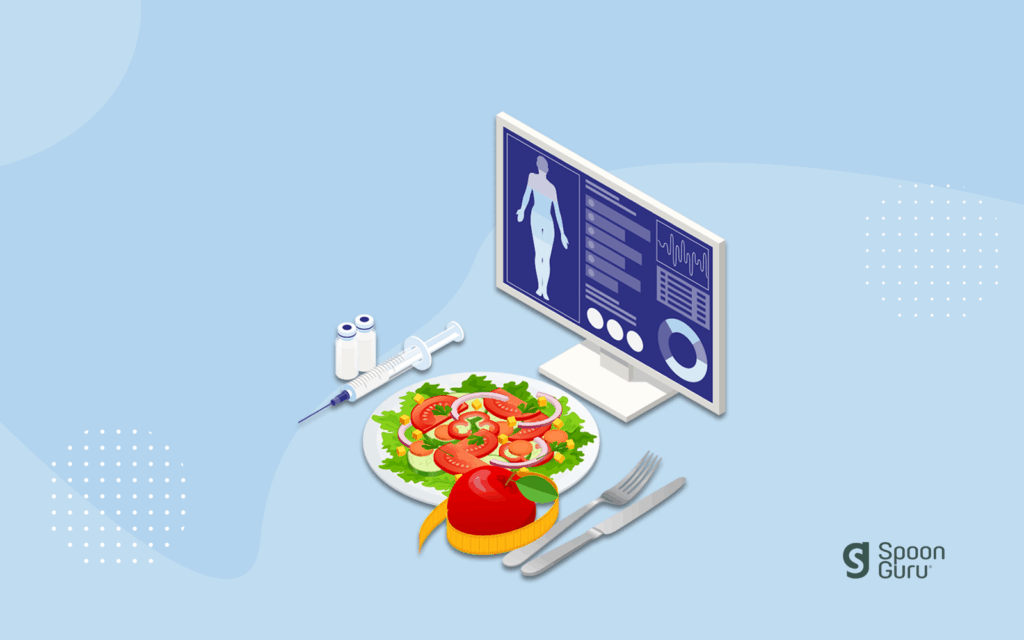
GLP-1 medications have dramatically changed the weight management landscape, and retailers have a unique opportunity to play a key role in supporting those using it.
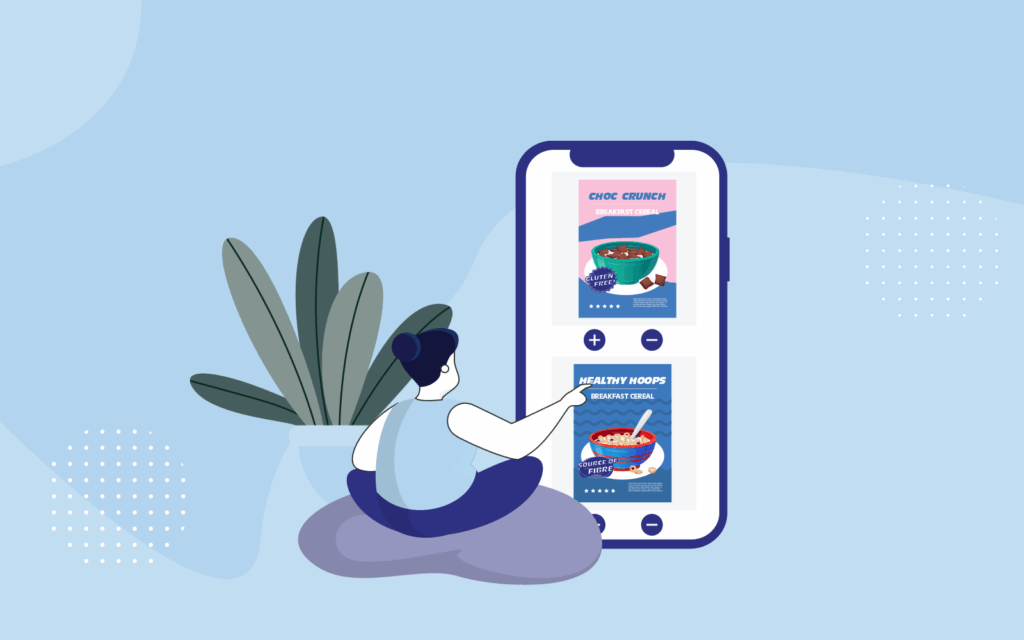
Retailers that adapt to evolving consumer needs and create simple, supportive journeys will be well positioned to shape the future of health-focused retail. Ultimately, supporting customers, including those on GLP-1 medications, means building an evidence-based, nutrition-focused retail environment that strengthens trust, engagement and long-term loyalty.
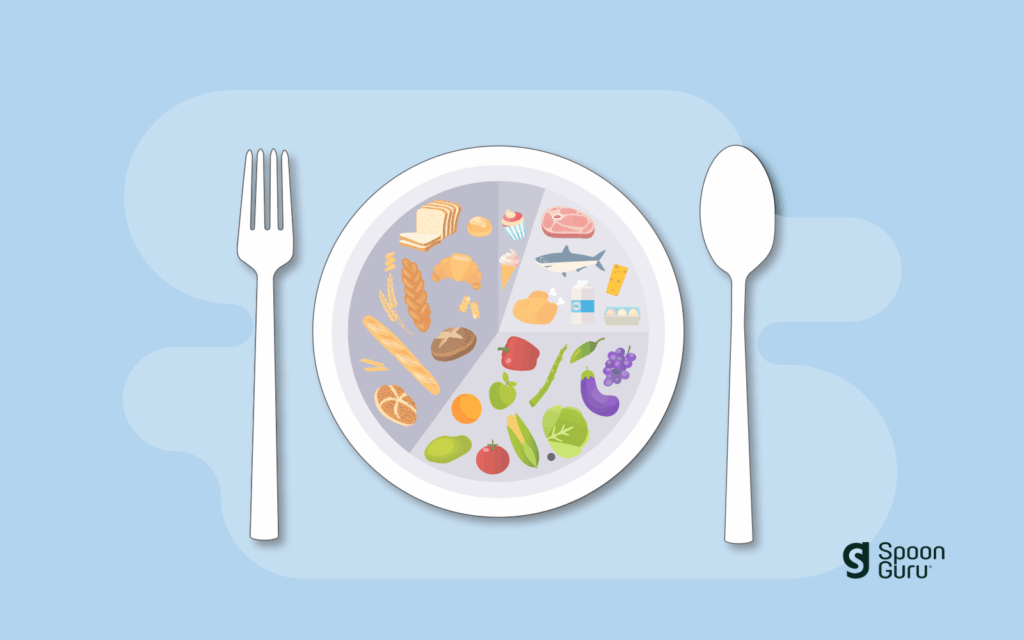
With greater awareness, early intervention, and the use of technology to advance both personalised nutrition and informed food system decisions, we can enhance nutritional health, improve wellbeing, and reduce the risk of malnutrition.

Discover how shifting consumer health habits, driven by chronic health conditions, the GLP-1 boom and evolving wellness goals are reshaping the way people discover, choose, and engage with food. In our webinar, industry experts joined Spoon Guru for a strategic conversation on turning shifting consumer health habits into commercial growth.

Grocery shopping on-line will certainly reduce the anxiety of seeing empty shelves, and shoppers will only see the products that are available. What shoppers will demand however, alongside a better UX, is more accurate information.

The HFSS Legislation white paper is still pending, however this is what we know about the enforcement so far, after the consultation with industry.

We took a little look at what has been done around the world to help populations shift towards healthier choices – what seems to be working, and which interventions have failed and why.
While nearly half of consumers believe health and wellness have become more important over the past year during the pandemic, the reality is that healthier products occupy less than a quarter of consumer spend. So how do we shift that desire into changing what is in consumers’ shopping baskets?